What Does "Lender-Ready" Actually Mean — and Are You There Yet?
Kathryn Spear · July 30, 2026 · 4 min read
You've got the idea. You've got the drive. You might even have the revenue. But when you sit down in front of a lender — or fill out that online application — something stalls. Maybe you get declined. Maybe you get a number so small it's almost insulting. Maybe you don't apply at all because you're not sure you're "ready."
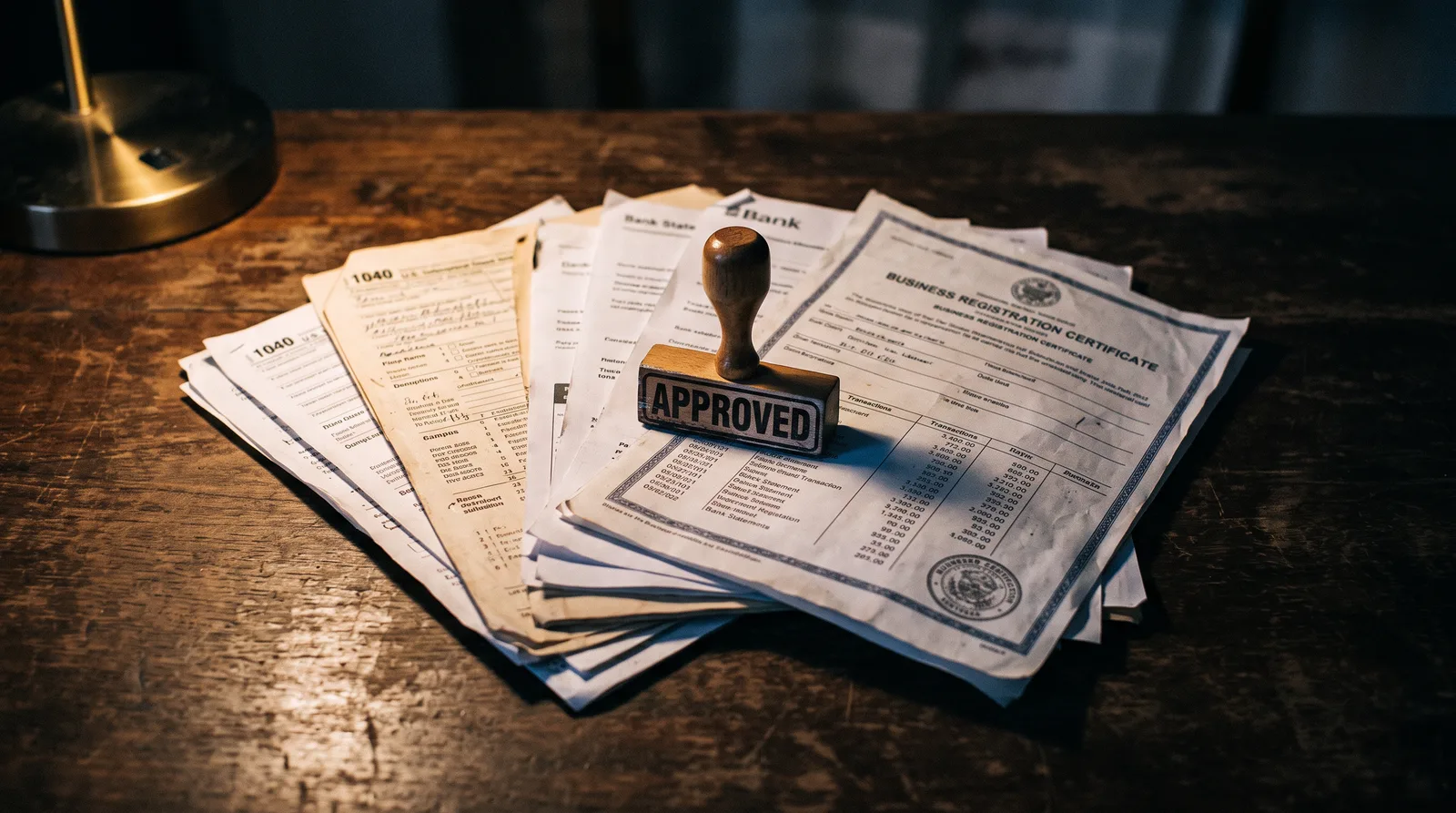
Here's the thing: lender-ready is not a feeling. It's not a vibe. It's not even a credit score, though that's part of it. Lender-ready is a documented financial identity — a clear, verifiable picture of who you are as a borrower — and most entrepreneurs have never been taught how to build one on purpose.
Let's fix that right now.
What Lenders Are Actually Looking For
When a lender reviews your application, they are answering one question: Can I trust that this person will repay me? To answer it, they look for evidence — not promises. That evidence falls into a few key categories you've probably heard called the Five C's of Credit:
- Character — your repayment history, how you've handled debt before
- Capacity — your ability to repay, usually measured by cash flow and debt-to-income ratio
- Capital — what you've already invested in the business yourself
- Collateral — assets that can back the loan if things go sideways
- Conditions — why you need the money and how it fits the current lending environment
Most entrepreneurs know the word "credit" and stop there. But a lender is reading all five of these signals from your documents. If even one is murky or missing, the application slows down — or stops.
The Difference Between a Good Idea and a Documented Identity
Here's where entrepreneurs get tripped up the most. You know your business. You can explain your model, your market, your margins. But knowing something in your head is not the same as having it reflected in your financial records.
A lender cannot fund what they cannot verify.
So when you say your business makes $8,000 a month, a lender needs to see that in your bank statements. When you say you've been operating for two years, they need to see that in your business registration documents and tax returns. When you say you're serious about growth, they want to see that you've separated your personal and business finances — because commingling tells them you treat the business like a hobby, not a company.
Your financial identity is the sum of what your documents say about you. It includes:
- Your personal and business credit profiles
- Your business bank account history (typically 3–6 months minimum)
- Your filed tax returns (personal and business)
- Your business legal structure and registration
- Any existing debt obligations
If those documents are incomplete, inconsistent, or contradictory, you are not lender-ready — regardless of how strong your idea is.
A Quick Self-Assessment: Three Questions to Ask Right Now
You don't need to wait for a rejection letter to figure out where you stand. Start here:
1. Is my business a separate legal and financial entity? Do you have a registered business (LLC, S-Corp, etc.), an EIN, and a dedicated business bank account? If your business income is flowing through your personal account, lenders see risk before they read a single number.
2. Does my paper trail match what I'd say out loud? If you told a lender your revenue, would your last two years of tax returns and your bank statements confirm it — or would there be a gap? Gaps require explanations. Explanations slow down approvals.
3. Do I know my business credit score — separate from my personal score? Many entrepreneurs don't. Your business credit profile lives at bureaus like Dun & Bradstreet, Equifax Business, and Experian Business. It is built separately, and it does not build itself. If you've never checked it, there's a real chance it's thin — or worse, inaccurate.
Lender-Ready Is a Position You Build, Not a Box You Check
The most empowering reframe I can offer you is this: lender-ready is not a gate someone else controls. It is a position you build deliberately, over time, by making intentional financial decisions and keeping records that reflect those decisions.
That means opening the right accounts. Filing on time. Understanding what your numbers say and being able to speak to them clearly. It means walking into a funding conversation as someone who has already done the work — not someone who is hoping the lender won't look too closely.
When you build your financial identity on purpose, the funding conversation changes completely. You stop hoping. You start presenting.
That shift — from guessing to leading — is exactly what Lender Ready Academy is designed to create. If you're ready to build the documented financial identity that makes lenders say yes, that's where we do the work.